Pet-Friendly Deck Options: Create a Safe Outdoor Haven for Pets
Designing a pet-conscious deck demands meticulous planning and forethought. The ideal components, protective features, and inviting areas can turn an average deck into a secure haven for animals. It's crucial to focus on longevity and ease while maintaining a protected setting for free exploration. Exploring the finest options can assist owners in making well-informed decisions. How can particular techniques maximize both protection and pleasure for pets in these exterior spaces?
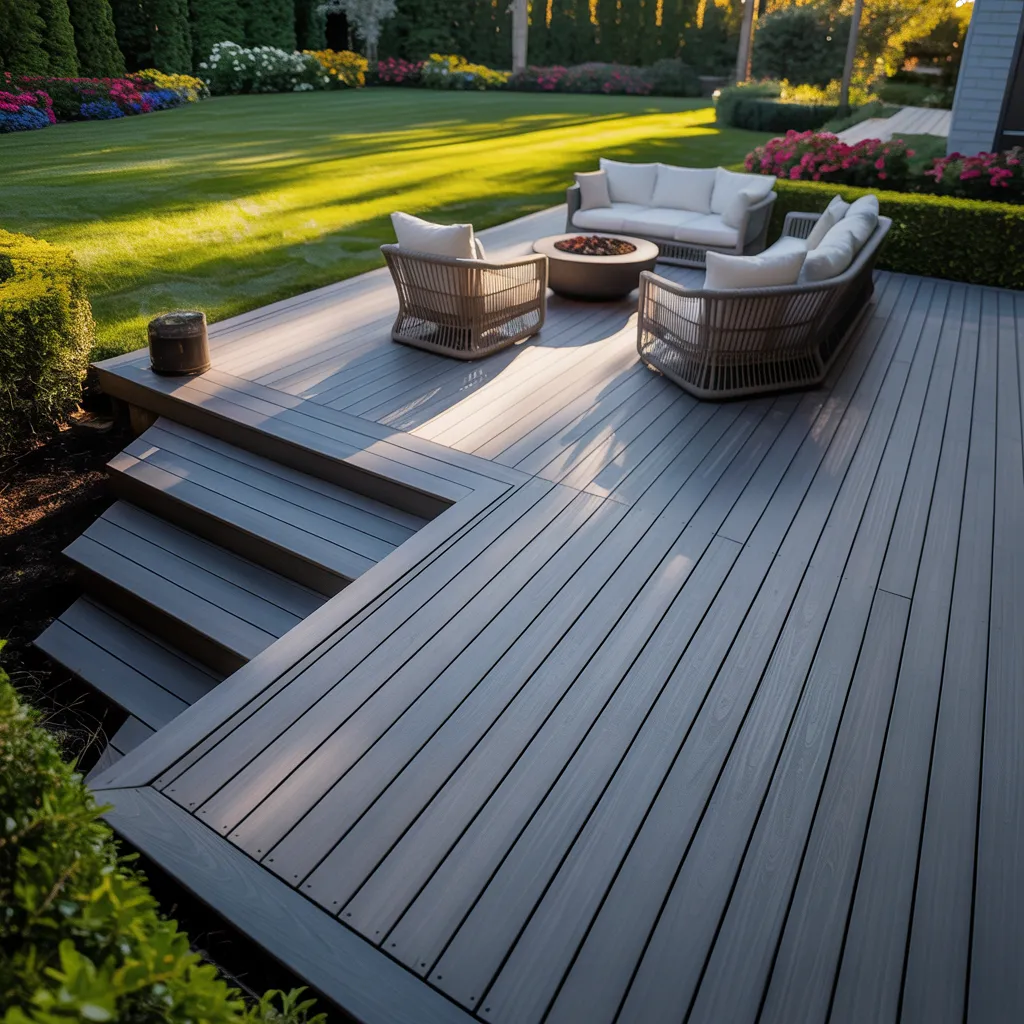
How to Design a Safe and Pet-Friendly Deck
Designing a secure and welcoming deck for pets demands thoughtful attention to several key factors. First, the layout should provide ample space for pets to move freely and play. Including covered spaces keeps pets cool and comfortable, while well-constructed barriers help avoid unintended accidents.
Furthermore, awareness of safety concerns is essential. Sharp edges and protruding nails require immediate attention, and toxic vegetation ought to be eliminated from the surroundings. Non-slip surfaces can help prevent slips and falls, especially in wet conditions.
Providing comfortable bedding or pet-friendly seating can enhance the space, rendering it more appealing to animals. Regular maintenance is essential, ensuring that any debris or chemicals are kept away from the area.
Finding the Right Pet-Friendly Decking Materials
When picking materials for a pet-safe deck, quality and security are critical. Choosing composite decking can be an excellent option, as it is built to resist scratches and stains, making it ideal for active pets. Moreover, composite materials are devoid of splinters, lowering the likelihood of harm to paws.
Raw timber, including cedar or redwood, offers a natural appearance but demands consistent maintenance to guard against deterioration and splintering. Opting for treated lumber can improve durability, but it's essential to ensure it is safe and non-toxic.
Vinyl decking is an additional excellent option, featuring a smooth surface that is effortless to clean and highly resistant to fading.
Additionally, opting for non-smooth surfaces can improve grip, enabling pets to move with confidence. In the end, the ideal materials will establish a welcoming and safe outdoor space for pets while securing long-lasting quality and straightforward maintenance for the owners.
Critical Safety Features for Your Deck
Choosing the appropriate materials for a pet-safe deck sets the foundation for safety, but additional features are equally essential. The incorporation of non-slip surfaces is essential to keep pets from sliding, especially in damp environments. Rounded edges can considerably lower the likelihood of accidents; pointed edges present a danger to curious animals. Proper drainage should also be factored in, as standing water can result in falls and health-related problems.
In addition, well-placed shaded areas can protect pets from excessive heat during warm weather. In addition, including robust railings with tightly spaced balusters guarantees that pets cannot slip through or fall from the deck. Using pet-safe plants around the deck perimeter also enhances safety by preventing inadvertent consumption of poisonous plants. Lastly, a carefully maintained deck with consistent inspections for any loose boards or nails ensures a secure environment. These critical features work together to establish a safe and welcoming outdoor area for pets.
Best Fencing Options for Pet Security
Guaranteeing that pets remain secure within a yard demands thoughtful evaluation of fencing options. A solid wood fence, typically around six feet high, creates a reliable obstacle against curious dogs and jumping cats. Vinyl fences are also appealing due to their durability and low maintenance, while still offering a similar height for security. For those seeking a more transparent option, chain-link fences with a privacy slat can allow open views while maintaining pet boundaries.
Furthermore, using a wrought iron fence can add aesthetic appeal, though it's vital to confirm that the gaps remain too small for smaller animals to squeeze through. Electric fences may act as an additional layer of protection, but they require proper training to guarantee pets understand their boundaries. Finally, making sure that gates are secure and self-closing is essential in maintaining the overall effectiveness of a pet-proof yard. Each option presents unique benefits tailored to different pet needs and owner preferences.
How to Design Comfortable Spaces for Your Pets on the Deck
Creating a welcoming space for pets on a deck boosts their relaxation and pleasure while outdoors. To make this possible, one can include soft, weather-resistant cushions or pet beds, creating a snug area for pets to relax. Thoughtfully arranged shade structures, like canopies or umbrellas, offer relief from the sun, ensuring pets remain comfortable during sunny afternoons.
Adding a few blankets can greatly improve the overall comfort, while non-harmful plants can add a hint of nature without posing health risks. Elevated platforms or accessibility ramps can assist older pets, ensuring the area is easier to navigate.
Using pet-safe materials, such as composite decking, guarantees the deck surface remains gentle on pet paws. Furthermore, providing fresh water in a solid bowl encourages hydration, turning the deck into a wonderful outdoor haven. By incorporating these considerate features, the deck becomes a secure and welcoming retreat for pets, fostering comfort and happiness.
Setting Up Pet Play Areas on Your Deck
Building on the cozy setting established for pets, activity zones on the deck can greatly enhance their exterior activities. Designating a specific area for play enables pets to take part in physical activities while appreciating the open air. Consider incorporating durable, pet-friendly materials like synthetic grass or rubber flooring to guarantee a safe and low-maintenance environment.
Incorporating playthings, such as items to chew on or interactive games, can encourage both mental and physical stimulation. A modest training course, consisting of tunnels and hurdles, can provide hours of enjoyment for energetic pets.
Additionally, shaded spots can be built by utilizing pergolas or outdoor umbrellas to protect pets from the sun while they play.
Which Plants Are Safe to Have Around Your Pets?
Picking the ideal plants can improve a pet-safe deck while providing safety. It is important to take into account non-toxic indoor plants and secure garden landscaping alternatives that pose no danger to pets. Understanding which plants are safe enables a peaceful environment for both pets and their owners.
Non-Toxic Indoor Plants
What indoor plants can enhance a home while ensuring the safety of pets? Selecting non-toxic varieties is essential for pet owners. Spider plants, known for their air-purifying qualities, are safe for cats and dogs. The Boston fern provides a dense, green appearance and is completely safe for adventurous pets. Moreover, the parlor palm provides a tropical ambiance with no concerns about pet safety. For those seeking colorful options, the friendship plant is both appealing and pet-friendly. Furthermore, the bamboo palm is an excellent choice that thrives in low light while remaining safe for animals. By introducing these pet-safe plants, animal owners can cultivate a lively indoor space that places the health of their beloved pets first.
Reliable Outdoor Landscaping Alternatives
Creating a safe outdoor space for pets requires careful selection of landscaping plants. Many common garden plants can create hazards to animals, making it essential to opt for non-harmful plants. For instance, sunflowers, marigolds, and snapdragons are vibrant options that are harmless to animals. Lavender not only provides a pleasant scent but also serves as a calming agent. Furthermore, herbs like basil and rosemary can enhance the garden while being pet-friendly. It is essential to steer clear of harmful plants such as azaleas, lilies, and oleander, which can cause serious health issues. By emphasizing non-toxic garden choices, pet owners can create an inviting environment where their furry friends can venture and appreciate nature without danger.
Preservation Tips for a Resilient Pet-Friendly Deck
A well-maintained pet-friendly deck can substantially enhance outdoor living key resource spaces while providing safety and comfort for four-legged family members. Routine cleaning is necessary; spills, pet hair, and debris should be swiftly eliminated to prevent odors and staining. Using a pressure washer can efficiently remove dirt and grime but must be operated carefully to prevent surface damage.
Checking for loose planks or exposed nails is critical to guarantee pets are kept secure while outdoors. Using a non-toxic coating can shield wood surfaces from dampness and deterioration , extending the deck's lifespan. It is also recommended to choose materials that resist scratching and fading , such as synthetic decking material.
Consistently, maintaining a steady timetable for inspection routines allows for timely identification of emerging concerns, ensuring a sturdy and reliable setting for pets. By following these tips, property owners can create an inviting space that endures over the years and energetic animal companions.
Commonly Asked Questions
Can I Use Outdoor Rugs for Pet Comfort on the Deck?
Outdoor rugs can enhance pet comfort on a deck. They offer cushioning and warmth while reducing the risk of slipping. Choosing durable, easy-to-clean materials guarantees longevity and maintenance, making them an ideal option for pet owners looking for comfort.
How Do I Keep My Pet From Chewing on Deck Railing?
To keep pets from chewing on deck railings, owners may apply unpleasant-tasting sprays, provide alternative chew toys, and oversee time spent outdoors. Regular training can also discourage this behavior, fostering a healthier and safer setting for pets.
What Are the Best Ways to Clean Pet Messes on the Deck?
To clean pet messes on a deck, one should promptly remove solids, wash the area thoroughly with water, utilize a cleaner that is safe for pets, remove tough stains by scrubbing, and ensure the area dries completely to avoid the buildup of odors and bacteria.
Do Pet-Safe Chemicals Exist for Deck Cleaning and Maintenance?
Indeed, there are pet-safe products available for deck cleaning and upkeep. Baking soda, biodegradable cleaners, and vinegar-based solutions are effective options that reduce the risk of harm to pets while ensuring a clean and safe outdoor environment.
How Do I Acclimate My Pet to the New Deck Environment?
To introduce a pet to a newly built deck, carefully bring them to the environment. Begin with short sessions, incorporating positive reinforcement and comforting belongings, while providing careful monitoring to support their transition and build comfort.